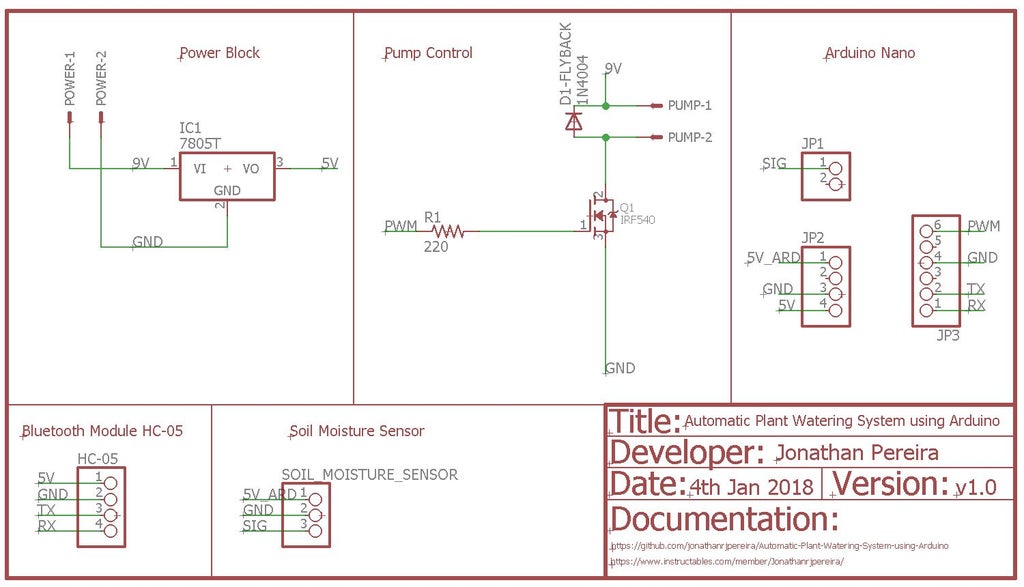
Automated Plant Watering System 11 Steps with Pictures Circuit Diagram Conclusion: In conclusion, the Automatic Plant Watering System harnesses the power of the Arduino and the precision of a Capacitive Soil Moisture Sensor to ensure optimal watering for plants. No longer will plants face the risks of being under or over-watered.With real-time moisture level data displayed on an OLED screen, users are kept informed not only about the soil's condition but also
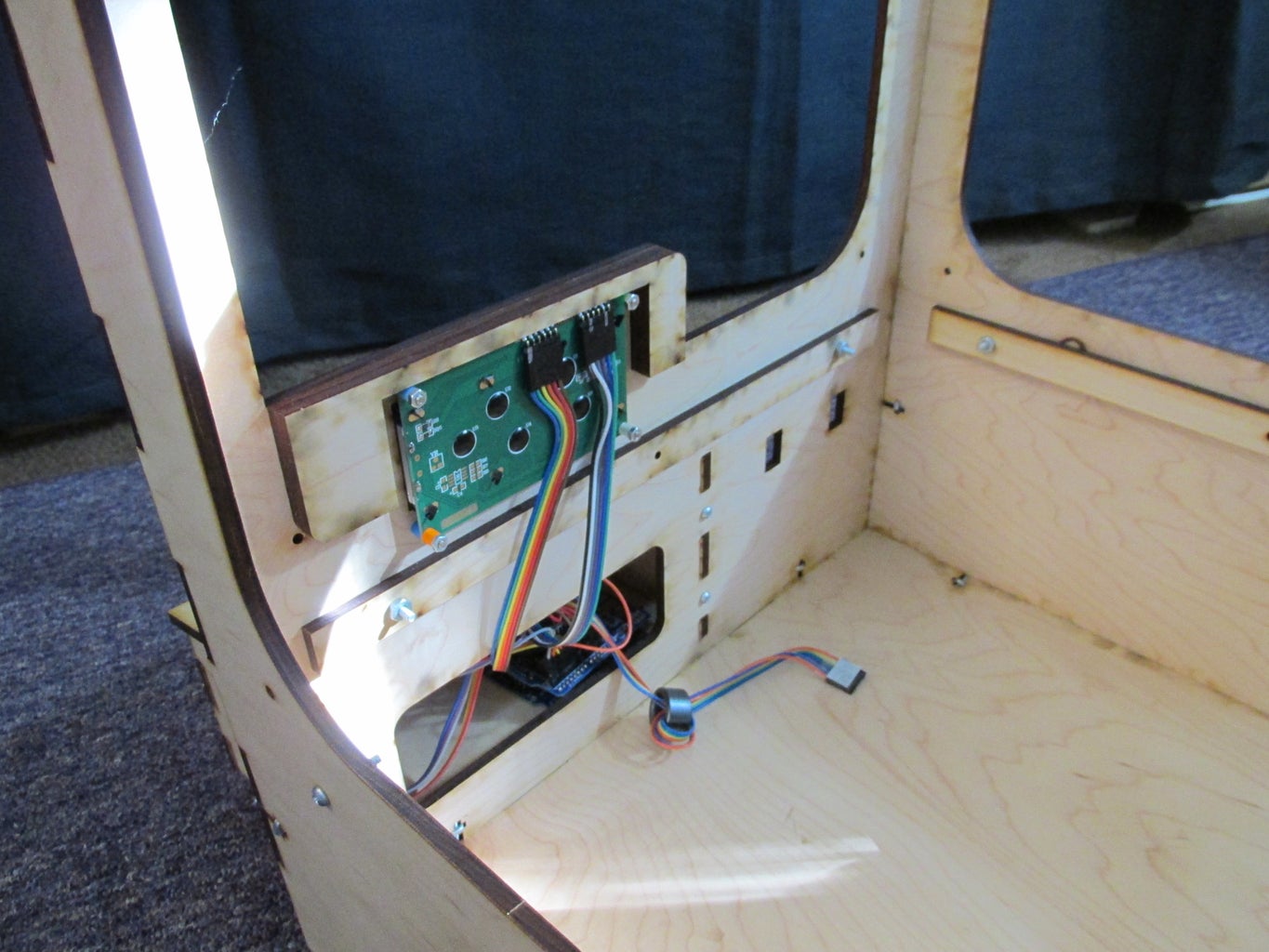
Working of smart plant watering system: We are connecting a single MCU (Arduino, Node MCU, Wemos D1, ESP 32) to a Soil moisture sensor here we are using a capacitive sensor instead of resistance sensor because those sensors has DC current wiith two metallic electrodes printed on the silicon board which cause the electrolysis and the metals corrode by damaging the device permanently.
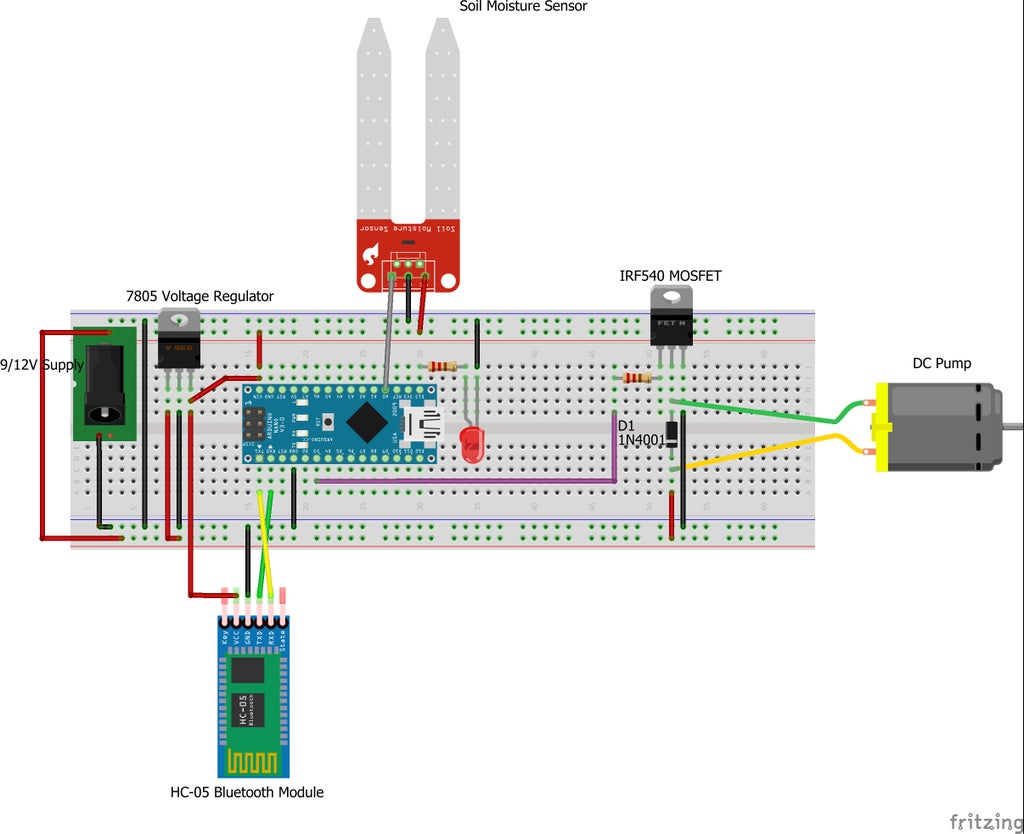
Build a Circuit to Automatically Water Your Plants Circuit Diagram
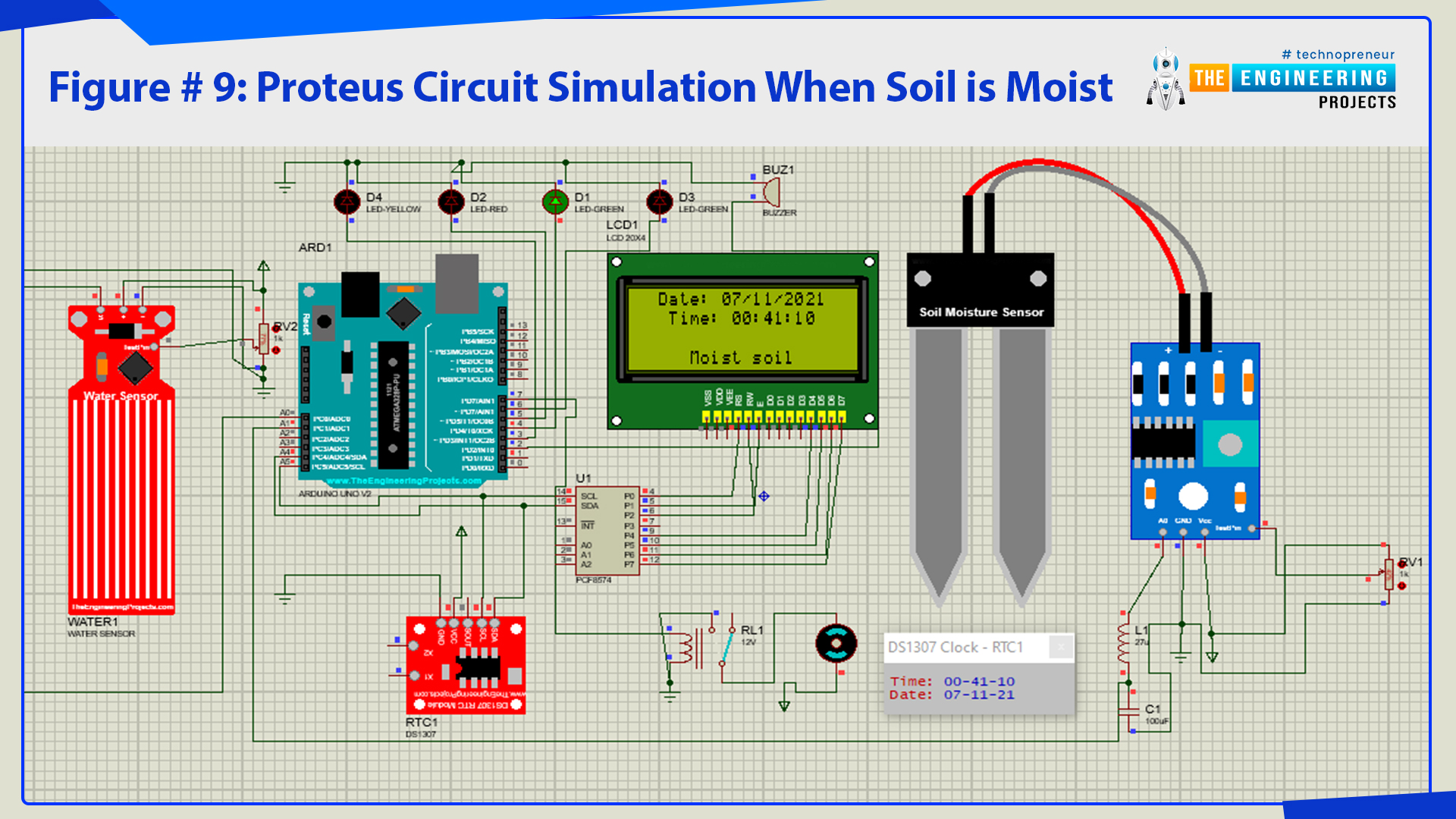
Insert the soil moisture sensor probe into the soil while the system is operating. The moisture content will then be displayed on the LCD as Low, Medium, or High. The relay module will automatically activate when the moisture level is LOW and deactivate when it is MEDIUM or HIGH.
Overwatering or underwatering can lead to stress, disease, or even plant death. Soil sensors help maintain optimal moisture levels, leading to healthier root systems and improved plant growth. 3. Cost Efficiency. Automating your watering system with soil sensors can lead to substantial cost savings in the long run.

Automatic Plant Watering System Using Soil Moisture Sensor & Arduino ... Circuit Diagram
In this project, we will build an automatic plant watering system using a soil moisture sensor and Arduino. The soil moisture sensor will be used to measure the moisture level in the soil and the Arduino will be used to control the watering system. Required material. Arduino Nano* 1; Soil Moisture sensor * 1; 5v relay module * 1